Talking about the Nuclear Fuel Cycle

Here for a high-level introduction to the nuclear fuel cycle and communicating with nuclear communities? You're in the right place.

Get started now

The nuclear fuel cycle has four basic parts.

These general categories are simplifications of several sub-parts, but the nuclear fuel cycle covers the lifetime of nuclear fuel from cradle to grave.

Getting materials.

Through mining or in situ leaching, uranium is extracted from the earth.

Processing into fuel.

Then, the raw materials are processed through facilities that strip away unwanted impurities, enrich the fuel, and turn it into the fuel form that will go into the reactor.

Using fuel.

Fuel is used by the reactor, producing electricity. Some countries recycle their fuel at this stage to reduce the amount and lifetime of used fuel.

Disposing fuel.

Eventually, the solid fuel is removed from the fuel cycle and placed in controlled, resilient storage facilities.

Explore US Energy Infrastructure.

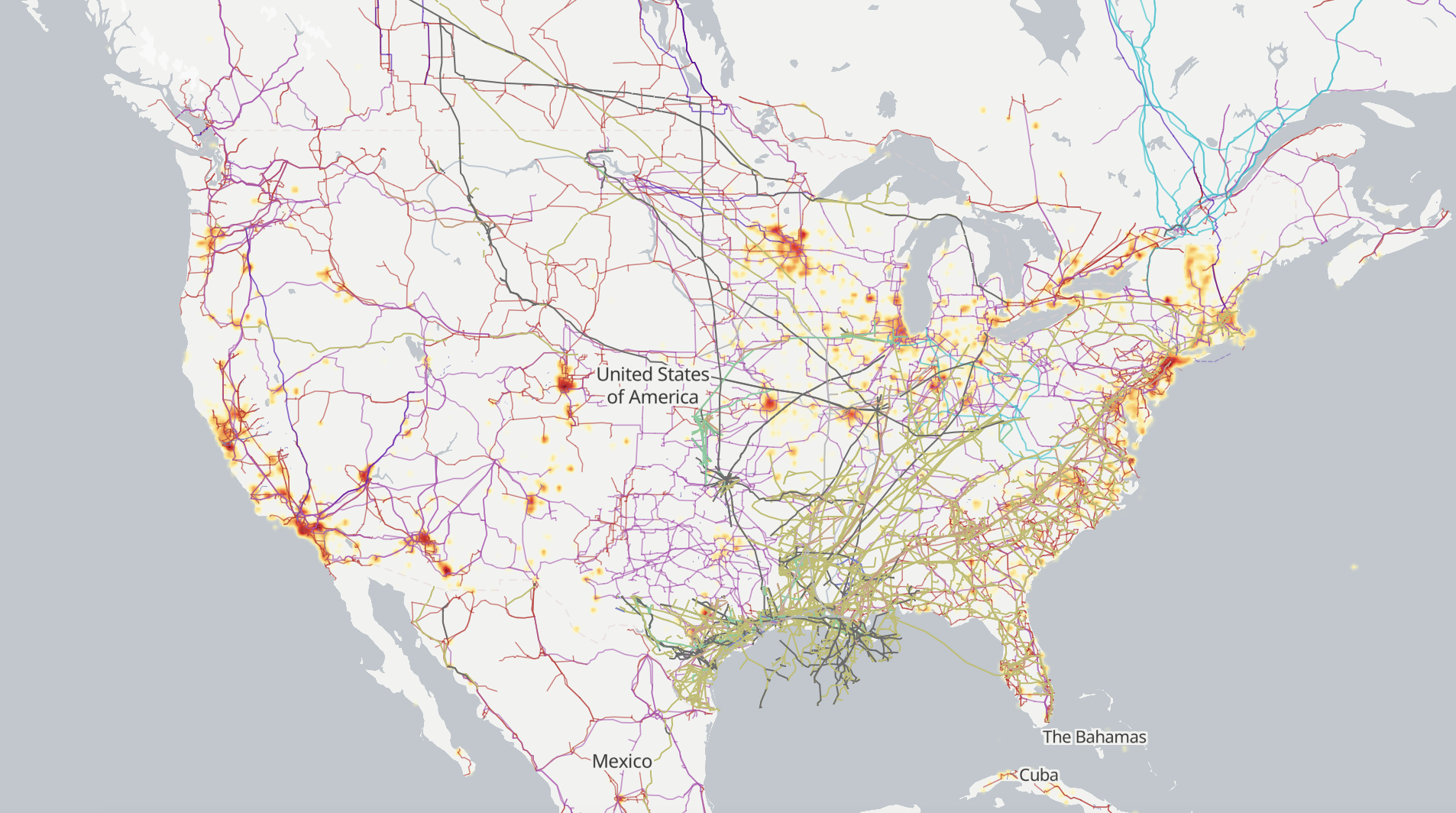
The US has an incredibly complex energy system. To explore the existing infrastructure from an open source group, consult OpenStreetMap's infrastructure map.

Open Infrastructure Map
Let's Explore International Energy Exports!

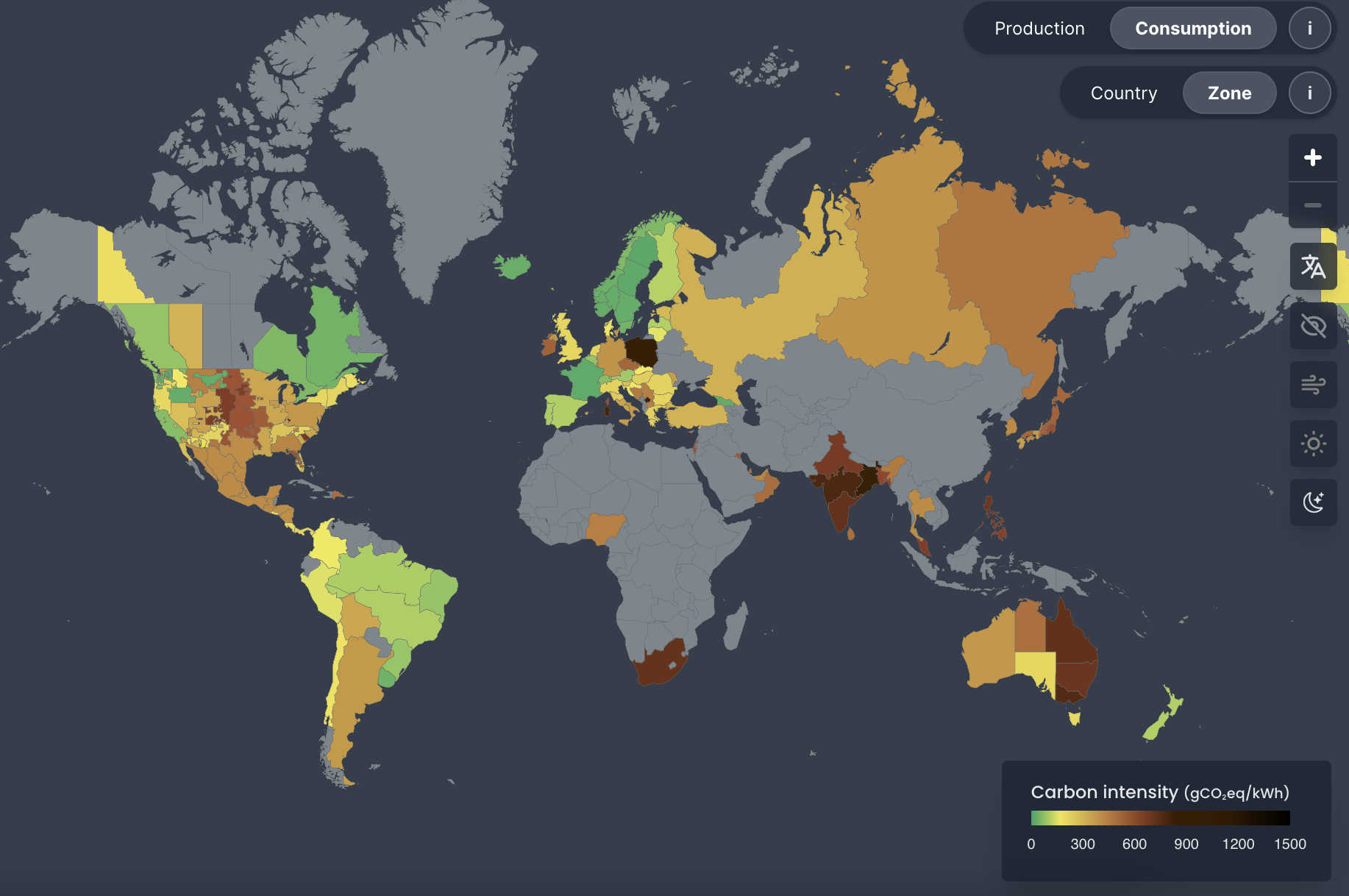
If you think the US has a complicated energy market, imagine how convoluted it gets when you think about the whole world.

Electricity Maps

Get the Basics

Navigate through our FAQ with the help of Corey. We've been collecting questions from students like you as they embark on learning to communicate. Just ask Corey to `list`, and then type the category and existing question you want answered (it's basically a fancy way to go through the existing questions, the real chatbot has to be hosted locally).

Corey: Hi, I'm Corey! You can ask me simple questions about the nuclear fuel cycle.

Communicating the Fuel Cycle

Throwing around technical papers is not a successful communication approach. We need to study the community's history and understand their needs. The communication has to be as open and honest as possible to establish credibility and in the most effective manner.

Climate and economic justice communities.

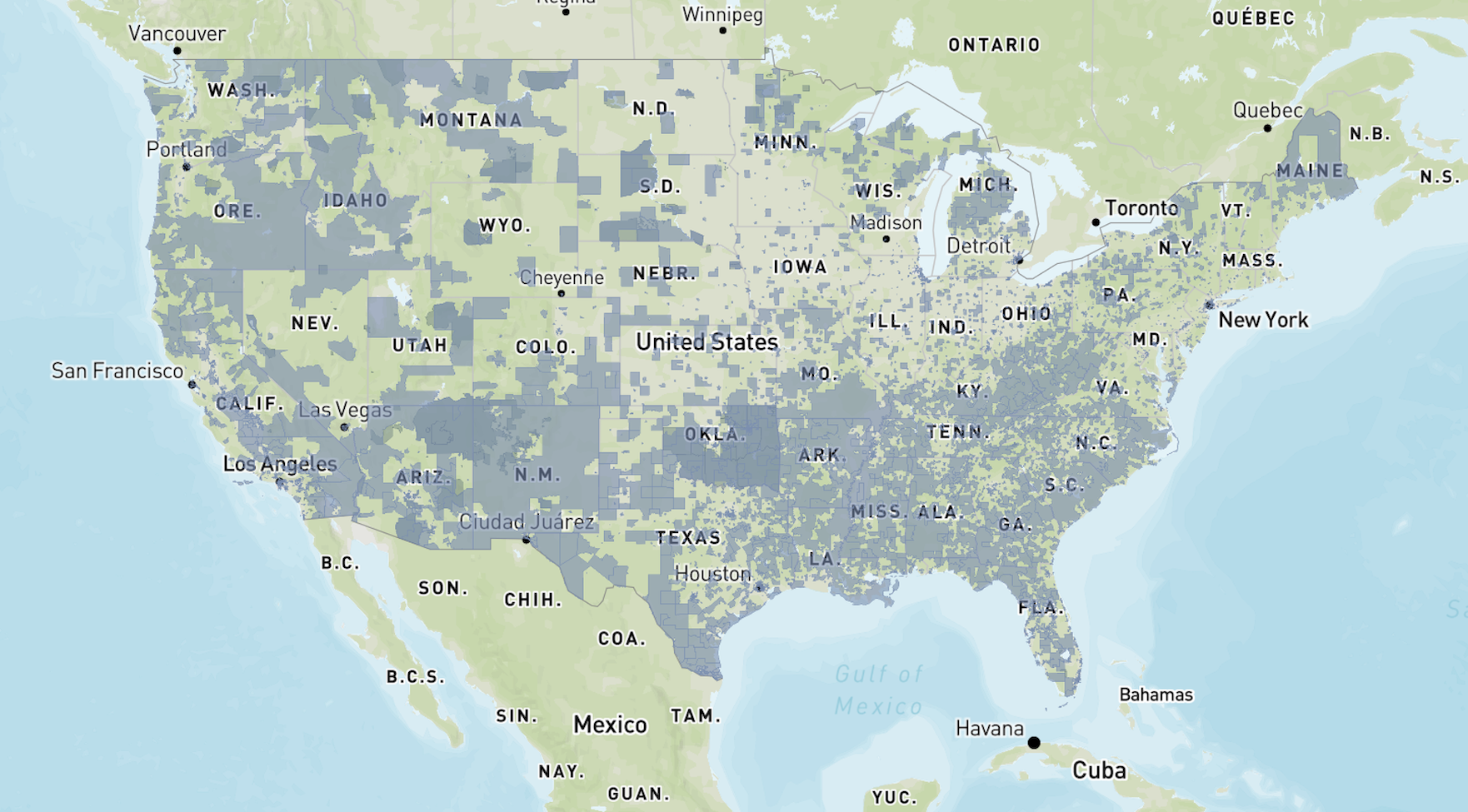
Under the Inflation Reduction Act, the Biden-Harris administration created a climate and economic justice screening tool. This map overlays census and other government data onto a map of the US to highlight the collocation and presence of disadvantaged communities across the US. Understanding the history of a community can be a start to your relationship.

Community Map

Methods in Risk Communication

Identify Goals

Start a conversation after establishing what you want to achieve. Goals might be gathering opinions, making profits, providing a public service, or employing talented individuals in the area.

Know Your Stakeholders

Stakeholders can be citizens, advocacy groups, media, etc. Learning their background and past interaction with nuclear projects is a straightforward way to prepare your initial questions.

Always Be Open and Honest

To build trust, we must offer high-quality information that motivates your reasons for engaging with them and what you hope to achieve through the interaction.

Make Technical Information Comprehensible

The public and technical experts talk in different languages. Using a combination of plain explanations and analogies can help you communicate effectively.

Introduce Community Involvement

Encourage the community to engage with your team further, and establish your desire to integrate your business into the community.

Steps for community engagement.

A very high-level understanding of the process we've identified for engaging with a community involves 5 steps.

  1. Identify your goals with a community.
  2. Clarify who is in the affected community.
  3. Listen to members of the community on their goals.
  4. Align your services with the community goals.
  5. Collaborate with them to service the community at large.
Color Switcher

Feel free to change the highlights to your liking.